Costumed woman in Caribana parade, Toronto [1970-1980?].Coretta Scott King performing at Massey Hall, Toronto, 1966.Windsor Tanner African Methodist Episcopal (AME) Church picnic, 1911.
Black history is a part of Canada’s history and reflects a diverse and broad tapestry of our nation’s past and present. I have learned that digitizing records and archives can be seen as detrimental and daunting for many. In the context of preserving Black history, I believe the digitization of records is not only essential but is a part of a larger decolonial and holistic historical practice. For centuries, many Black communities have lacked access to their own stories and understanding of the past, not only from a lens of hardship but one of resilience.
Through the digitization of Black Canadian history, we can expand our knowledge about society and create a repository of research, highlighting the vast contributions of Black Canadians in shaping our social, political, and cultural environments. Shedding light on themes such as struggles against slavery to resistance, emancipation to segregation, abolition and activism to cultural achievements, these historical events are some of many that have shaped the Black Canadian experience.
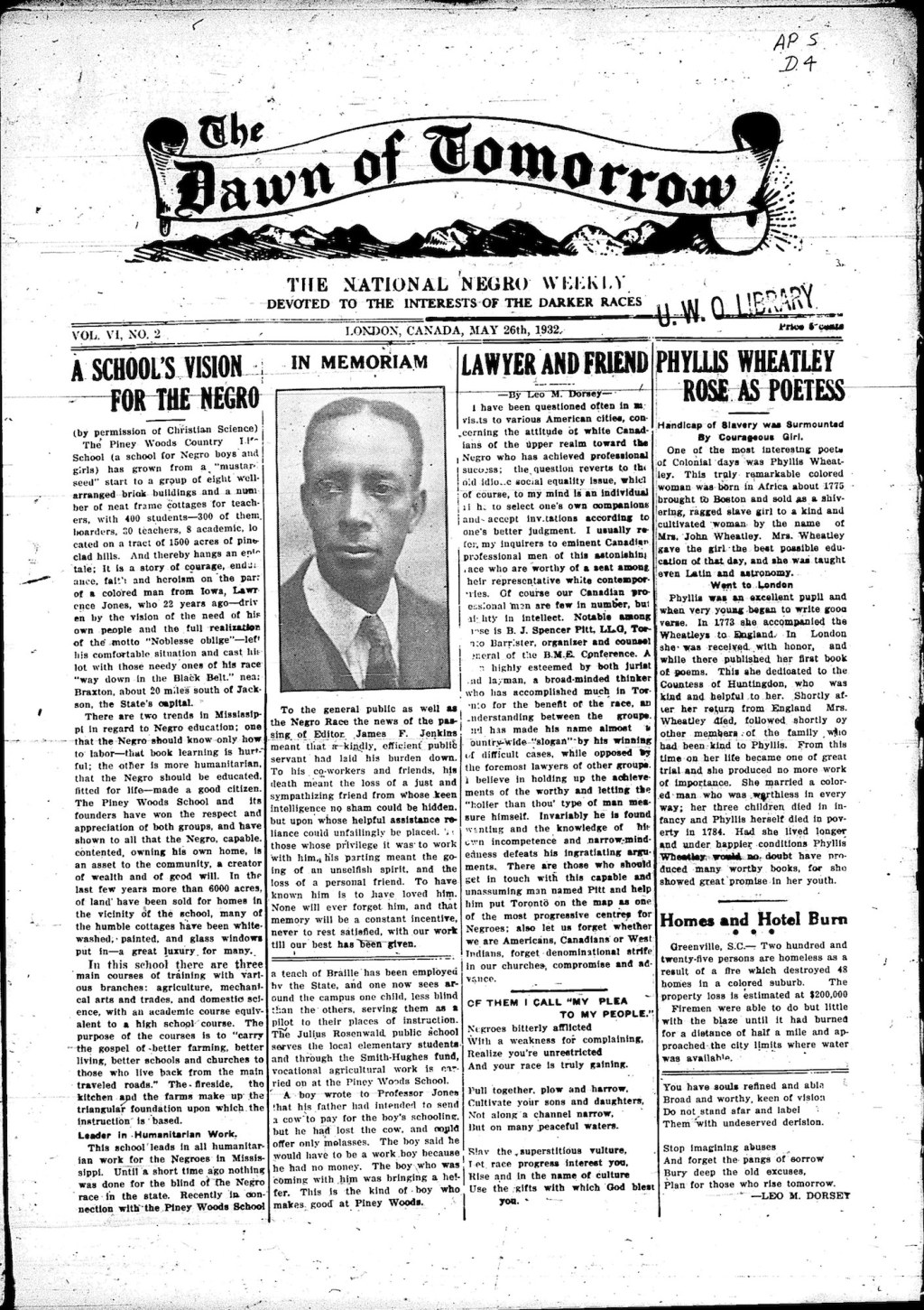
I believe it is essential to digitize Black Canadian history to recognize the vital contributions of Black Canadians to society and ensure that we are combatting institutionalized modes of cultural erasure. Rachel Lobo touches on this in the article called ‘Resisting Erasure: Photographic Archives History in Canada‘. Lobo emphasizes the importance of preserving Black Canadian history through the process of digitization, resisting the erasure of Black lives and challenging historical discourse that often overlooks and misrepresents the Black experience. By doing so, Black communities have the opportunity to assert their agency over their heritage, stories, culture, and resilience to reclaim space in the field of history.
Digitization methods have the power to ensure that the diverse experiences of Black individuals are honoured, valued, informed, and provide a more accurate portrayal of their historical narratives and legacies. Lobo refers to the archival process of digitizing the lives of Black Canadians as a type of counter-archives, offering an alternative approach to analyzing records, while focusing on capturing their everyday lives, their resistance, and telling stories that may otherwise go undocumented.
“Black history is not just for Black people. Black history is Canadian history.”
The Honorable Jean Augustine
Digitizing Black history can broaden public understanding beyond the traditional historical focus on oppression and slavery, showcasing the various facets of Black Canadian life. Understanding Black history allows us to appreciate the diversity that exists in our country and foster a deeper recognition of the ongoing challenges faced by Black communities in the present day. The accessibility of these documents creates significant opportunities for academic research, encouraging scholars to explore intersectional forms of historical discourse. It also enables Black Canadians, and Black individuals more broadly, to learn more about their history, communities, ancestors, change-makers, innovators, and cultural identity. Engaging with this history not only honours those who came before us but also encourages all Canadians to work towards creating inclusive spaces that promote equity for all members of society. Digitizing archival materials preserves stories of the enduring significance of Black Canadians, ensuring these important narratives are recognized and celebrated for years to come.
This video from the Ontario Black History Society (OBS) emphasizes the impact of erasure on the Black experience in the field of history and highlights why we must consider digitizing these records to create an accessible collection that perseveres Black Canadian history for our future generations.
Lobo, Rachel. “Resisting Erasure: Photographic Archives and Black History in Canada.” International Journal of Canadian Studies 58 (2020): 7-36. https://muse.jhu.edu/article/791425.
I am a Master’s Student in the Department of Public History at Western University. Welcome to my blog, a platform to explore the fascinating world of public history and the digital world.


![Costumed woman in Caribana parade, Toronto [1970-1980?]](https://neisalong.com/wp-content/uploads/2024/10/28131046464_fc8f003a75_o.jpg?w=1024)


 Neisa Long
Leave a comment