


As we observe Canadian History Week, it’s essential to pause and reflect on the narratives that dominate our understanding of the past. Too often, Black lives, stories, and contributions are either marginalized or erased altogether, leaving significant gaps in our collective memory. This exclusion is not accidental but rather a result of systemic barriers within the field of history itself, barriers that have long prevented Black historians and scholars from taking their rightful place in the storytelling process. Representation matters, and it is crucial that we create spaces to tell the history of Black lives through culturally sensitive and holistic lenses, ensuring these narratives are neither tokenized nor incomplete.
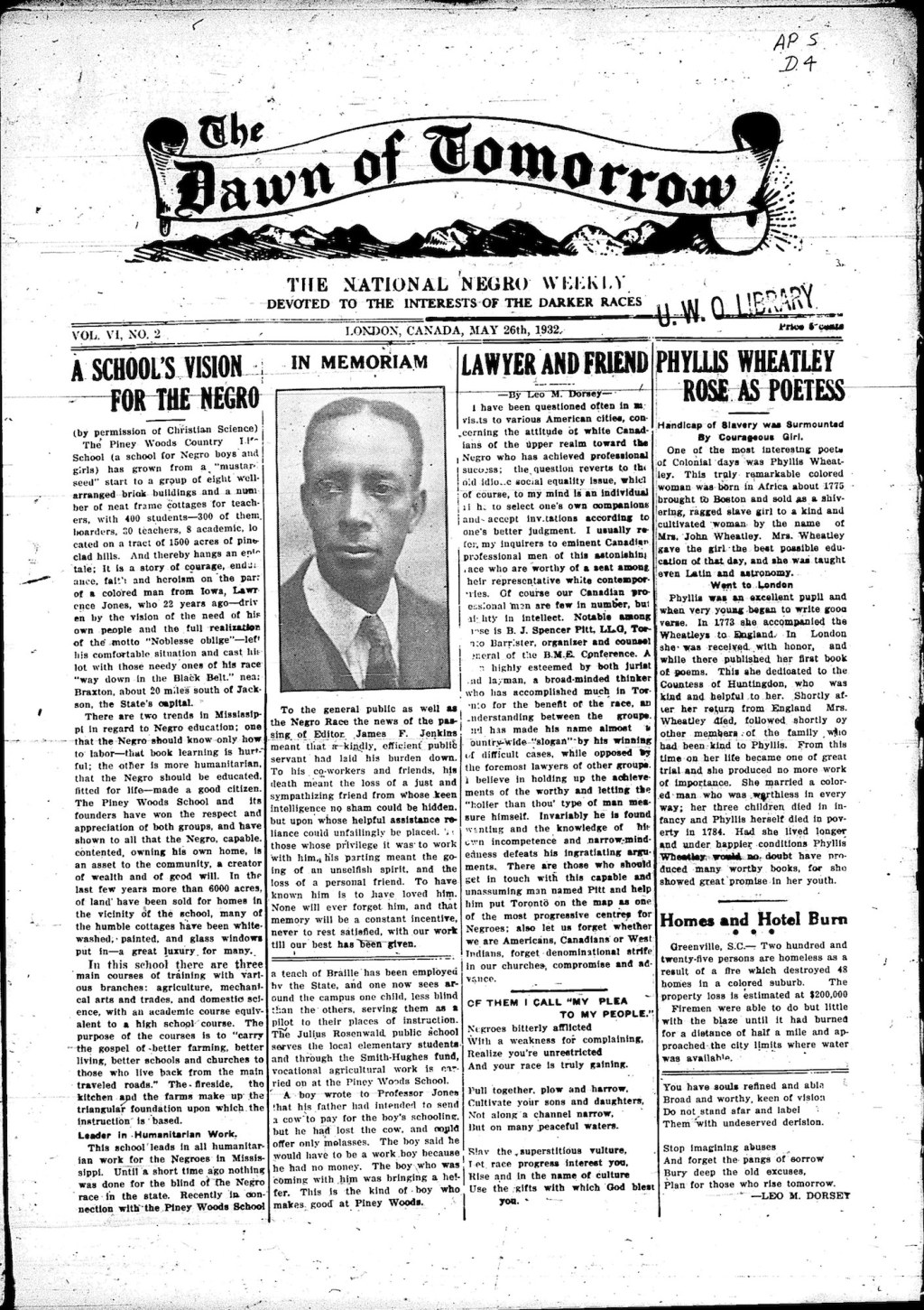
The absence of Black voices in historical narratives perpetuates harmful stereotypes and obscures the immense contributions Black individuals have made to society. Take, for instance, the story of Mary Ann Shadd Cary, a Black Canadian activist, educator, and journalist who was one of the first Black women to publish a newspaper in North America. Her work The Provincial Freeman not only informed Black communities about issues of education and abolition but also challenged systemic racism during a critical time in Canadian history. Yet, her story is often overshadowed by other figures, leaving many Canadians unaware of her pioneering contributions to social justice and journalism.
Similarly, the legacy of Viola Desmond, whose courageous act of defiance against racial segregation in 1946 paved the way for Canada’s civil rights movement, has only recently gained the recognition it deserves. Her story, now showcased on the Canadian $10 bill, highlights how Black voices have always been central to pushing Canada toward greater equity, even if those voices were previously silenced or ignored. Despite these powerful examples, the field of history remains predominantly white, with Black scholars often excluded from academic and public history spaces. This lack of representation skews the narratives that are told, as well as the methodologies used to tell them. For instance, archives and historical institutions have often failed to preserve Black stories, leading to a reliance on incomplete records that further marginalize these voices.
Their stories remind us that Black Canadians have always been agents of change, challenging injustice and shaping the nation. Their legacies must be preserved and shared through collaborative, compassionate, and equitable historical practices. Without their voices, the documentation and interpretation of Black experiences risk being incomplete or distorted. We must prioritize consultation with Black communities, adopt compassionate methodologies, and actively include Black historians and scholars in the preservation and sharing of these histories.
To combat this, we must adopt equitable practices that center Black voices and ensure that Black scholars, historians, and communities are at the forefront of documenting and interpreting Black history. This involves active consultation with Black communities, compassionate storytelling, and a commitment to preserving and sharing narratives in ways that respect their complexity and humanity.
CBC Gems Black Life: Untold Stories is an eight-part documentary series that reframes the rich and complex histories of Black experiences in Canada. I encourage those who would like to learn more about the legacy of Black Canadians and their resilience to explore this phenomenal series as a point of introductory education.
Canadian History Week is a reminder that our past is incomplete without the voices and stories of Black Canadians. By committing to continuous learning, supporting Black historians and scholars, and engaging with resources like the Mapping Ontario’s Black Archives (MOBA) Project and the Black Life Impact Foundation, we can collectively build a future where Black narratives are fully integrated into Canada’s historical fabric—not as footnotes but as central threads in the story of our nation.
Younger generations have a pivotal role to play in this work. As custodians of the future, they can use innovative tools and technology to expand access to Black history and ensure it is preserved for generations to come. Through digital tools, young people can amplify marginalized voices, making history more accessible and engaging. They can collaborate with local communities, gather oral histories, and curate multimedia content that brings these stories to life. For example, younger generations might work on projects that map significant Black landmarks across Canada, develop educational resources for schools, or host events that highlight Black achievements in a contemporary context.
Projects like my ArcGIS StoryMap on early Black settlements in Upper Canada (now Ontario) demonstrate how digital public history can connect us to significant places and stories. This interactive map allows users to explore the physical and cultural landscapes where Black settlers made their mark, such as the Dawn Settlement, the Buxton National Historic Site, and the communities of Amherstburg and Windsor. To Explore my Story Map project on early Black Settlements in Upper Canada, visit the following link: https://arcg.is/5q9bf0
 Neisa Long
Leave a comment