


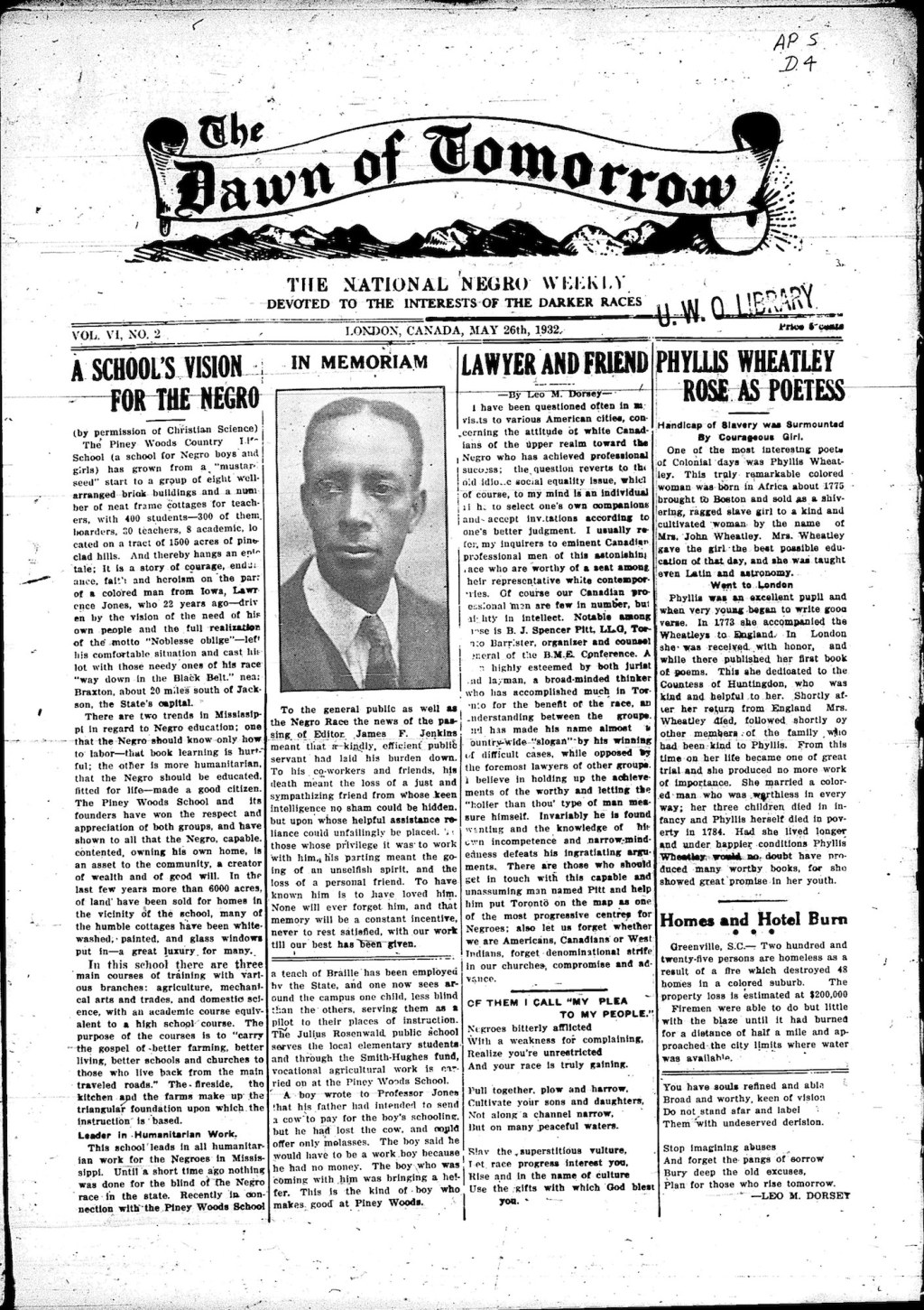
Heritage is more than monuments, artifacts, and ancient artifacts; they can serve as living entities that connects us to our histories, identities, and communities. For equity-deserving groups—such as Indigenous peoples, Black communities, and 2SLGBTQ+ individuals—heritage serves as a powerful vessel for cultural preservation and resistance against erasure. By championing intangible heritage, we can honor traditions, celebrate resilience, and ensure these stories are passed down to future generations.
What is Intangible Heritage?
Intangible heritage encompasses practices, expressions, knowledge, and skills that communities recognize as part of their cultural identity. This includes oral history, performing arts, customs, rituals, and traditional knowledge about our environment. It is non-material yet profoundly impactful, shaping how we understand and navigate the world around us. Unlike physical heritage, intangible heritage lives within people—it is sung, danced, spoken, and lived for generations to come.1 For equity-deserving groups, these intangible elements are often the most vulnerable, overshadowed by systemic oppression, colonization, and cultural homogenization. Preserving these practices is not merely about preserving history; it is about safeguarding identity and community.
Heritage as Resistance Against Erasure
Throughout history, marginalized groups have fought against cultural erasure and oppression. Indigenous peoples have carried forward their traditions, languages, ceremonies, customs, as well as, their spiritual and ecological knowledge despite colonization’s attempt to erasure their identity and history. Black communities have preserved their histories through oral storytelling, music, food, and spiritual traditions, connecting the present to their ancestral knowledge. 2SLGBTQ+ communities have transformed personal narratives into movements, using art, performance, and literature to claim space in a society that often silences them. When these intangible heritages are recognized and protected, they serve as acts of resistance against systemic oppression. They remind us that these communities are not just surviving—they are thriving, creating, and contributing to our collective human experience.
A Tool for Cultural Preservation
The power of intangible heritage lies in its ability to adapt and remain relevant. For example, Indigenous communities are using digital tools to document and revitalize endangered languages, ensuring their knowledge systems are accessible for generations. Black communities worldwide have turned traditional oral histories into innovative expressions like hip-hop, spoken word, and visual art. 2SLGBTQ+ groups transform activism into art, preserving the stories of resistance through photography, performance, and digital archives.
Museums and cultural institutions play a crucial role in this preservation. By moving beyond their traditional role as keepers of records, these institutions can embrace what Patrick J. Boylan calls the “ecomuseum” approach, emphasizing the ” overall evidence, both tangible and intangible, of the cultural or natural environment of the location or territory served by the museum, whether or not this is represented by objects within the museum.” 2 This approach to historical preservation, places community narratives, rituals, and performances at the heart of their mission. This involves creating spaces where equity-deserving groups can tell their own stories, in their own words, on their own terms.

Macfie John, Archives of Ontario, I0012445, C 330-14-0-0-59, Sandy Lake, Ontario, 1956
![West Indian steel drummers present their tribute to the slain U.S. civil rights leader [Rev. Dr. Martin Luther King, Jr.]](https://neisalong.com/wp-content/uploads/2024/12/51129787412_3546da3611_o.jpg?w=1024)
The Globe and Mail, Archives of Ontario, F 4695-1, NGC07296A, Apr. 9, 1968

HALO Fonds, Pride Parade, Western University, 2002.
UNDRIP and the Right to Heritage
The United Nations Declaration on the Rights of Indigenous Peoples (UNDRIP) underscores the fundamental right of Indigenous communities to maintain and strengthen their cultural traditions and customs. UNDRIP stress the need for free, prior, and informed consent in decisions affecting Indigenous heritage and the preservation of their history. By aligning policies with these principles, nations can create frameworks that respect and empower Indigenous heritage while preventing exploitation or commodification. 3
Federal legislation should prioritize the preservation of Indigenous heritage while granting Indigenous Peoples more control over their cultural materials. Institutions must also recognize the importance of working closely with Indigenous communities, Knowledge Keepers, and Elders to handle sensitive materials, artifacts, research and histories in a respectful and informed way. 4
Heritage Tourism and the “Tourist Gaze”
Heritage tourism offers economic opportunities, but it can also perpetuate stereotypes and commodify cultures and their history. The “tourist gaze,” a concept describing how tourism frames cultural narratives for consumption, often prioritizes marketability over authenticity.5 For equity-deserving groups, this can lead to their histories being presented in ways that misrepresent, appropriate or oversimplify their lived experiences.
Instead, tourism must prioritize community agency and autonomy over their historical preservation, ensuring that cultural representation aligns with the values and truths of those whose stories are being shared. When done ethically, heritage tourism can be a vehicle for self-discover, education, solidarity, and sustainable economic development. 6
Reclaiming a Usable Past
—Gerda Lerner, “The Necessity of History and the Professional Historian” (1982)7
“The necessity of history is deeply rooted in personal psychic need and
in the human striving for community. None can testify better to this
necessity than members of groups who have been denied a usable past…
Quite naturally each of these groups, as it moved closer to a position of sharing power with those ruling society, has asserted its claim
to the past.”
A “usable past” involves curating history to meet present needs, but for equity-deserving groups, this must be done with care. This emphasizes focusing historical research and materials that helps us understand who we are and how as a society has shaped the present. Therefore, history become as a space to honor achievements and regret; pride and disappointment, which shape our outlook how how we should move forward to create more inclusive, decolonial, and equitable spaces for discovery.8 A focus on the unstable past becomes a vehicle of both expression of present community and understanding, and maintaining future objectives.
Nostalgia and commodification can distort history, creating myths that favor dominant narratives. Instead, a usable past should amplify marginalized voices, using history as a foundation for empowerment and equity. In Black Reconstruction in America (1935), W.E.B. Du Bois argued that history’s purpose is to guide humanity by honestly confronting both its achievements and its failures. Historians have a duty to tell the truth, remaining faithful to their sources and avoiding bias, as this honesty is essential for progress and learning from past mistakes.9 For Du Bois, there was no conflict between history, activism, and objectivity—so long as truth remained the guiding principle. By preserving and sharing all aspects of history, we can build a more just and compassionate future.
In the context of intangible history, this underscores the historian’s duty to responsibly and holistically, preserve and truthfully document the lived experiences, cultural practices, and untold stories of all groups. By prioritizing authenticity and accountability, historians safeguard history for future generations, ensuring it serves as a tool for growth and social change.
Impact on Future Generations
Preserving intangible heritage is not just about honoring the past, it is about empowering the future. For Black, Indigenous, and 2SLGBTQ+ communities, it offers a roadmap to self-determination and cultural pride. When children grow up hearing their languages, celebrating their traditions, embracing their culture, and seeing their stories represented, they inherit a legacy of strength and belonging.
Heritage, when protected and celebrated, transforms from a static object into a dynamic force for change. It fosters dialogue, bridges divides, and nurtures understanding. For equity-deserving groups, it offers the most profound gift, which is the affirmation that their histories, stories, legacies, lives, and contributions matter. By investing in the preservation of intangible heritage, we are investing in a more inclusive, empathetic, and equitable world, where every story has its rightful place
- Boylan, Patrick J. “Intangible Heritage: a Challenge and an Opportunity for Museums and Museum Professional Training.” International Journal of Intangible Heritage 1 (2006): 54-64. ↩︎
- Boylan, Patrick J., (2006): 54-64. ↩︎
- UNESCO. “United Nations Declaration on the Rights of Indigenous Peoples .” September 13, 2007.
↩︎ - Indigenous Heritage Circle. Indigenous Heritage and the United Nations Declaration on the Rights of Indigenous Peoples. Report. 2022., p.21 ↩︎
- McKay, Ian. “History and the Tourist Gaze: The Politics of Commemoration in Nova Scotia, 1935-1964.” Acadiensis 22, 2 (1993): 102-38. ↩︎
- McKay, Ian. (1993): 102-38. ↩︎
- Wright, Conrad Edick, and Katheryn P. Viens, eds. The Future of History : Historians, Historical Organizations, and Prospects for the Field. Boston: Massachusetts Historical Society, 2017., 17. ↩︎
- Launius, Roger D. 2013. “Public History Wars, the “One Nation/One People” Consensus, and the Continuing Search for a Usable Past.” OAH Magazine of History. 27 (1):31 36. https://doi.org/10.1093/oahmag/oas048
↩︎ - Wright, Conrad Edick, and Katheryn P. Viens, eds., 2017., 10. ↩︎
 Neisa Long
Leave a comment